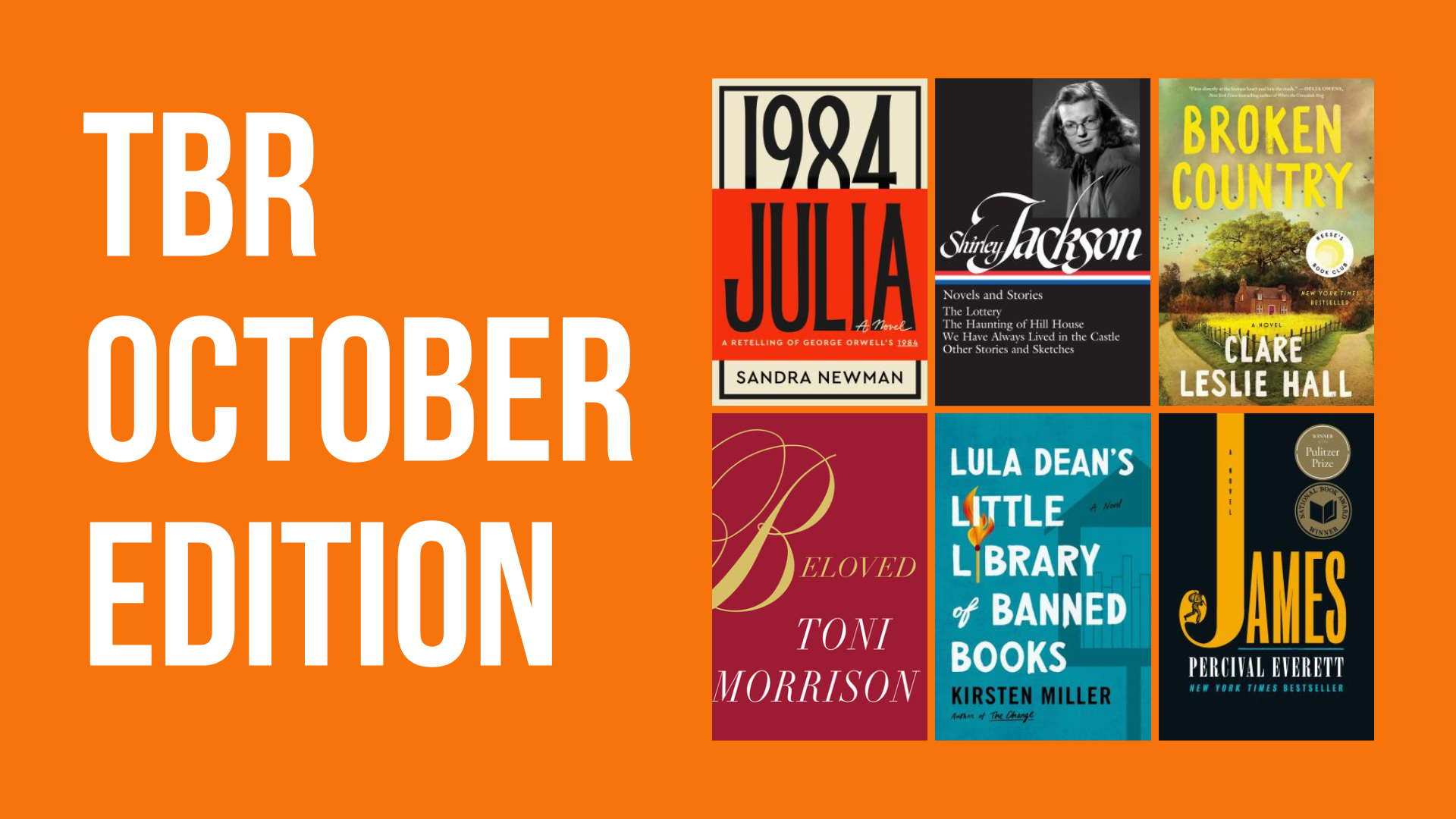
Click on the book cover to check out this month’s picks on the catalog!
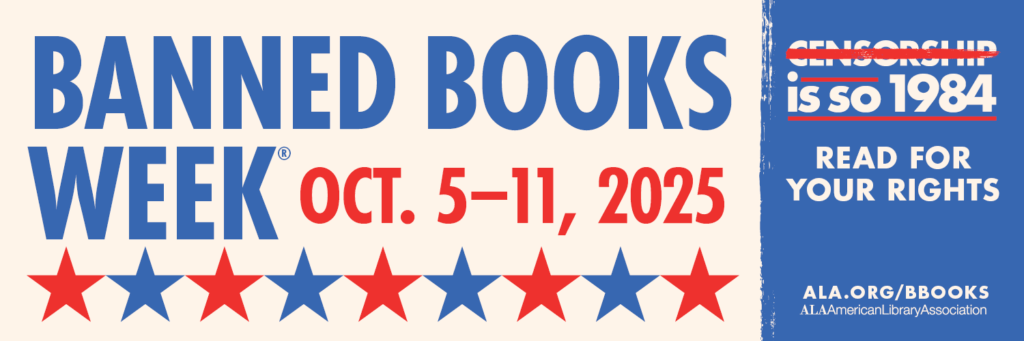
In honor of Banned Books Week’s theme and George Orwell’s dystopian novel 1984, discover an imaginative, feminist, and brilliantly relevant-to-today retelling of Orwell’s 1984 from the point of view of Julia, by critically acclaimed novelist Sandra Newman.
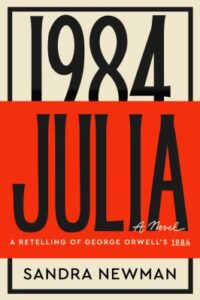
Julia Worthing is a mechanic, working in the Fiction Department at the Ministry of Truth. It’s 1984, and Britain (now called Airstrip One) has long been absorbed into the larger trans-Atlantic nation of Oceania. Oceania has been at war for as long as anyone can remember, and is ruled by an ultra-totalitarian Party, whose leader is a quasi-mythical figure called Big Brother. In short, everything about this world is as it is in Orwell’s 1984.
Read More
All her life, Julia has known only Oceania, and, until she meets Winston Smith, she has never imagined anything else. She is an ideal citizen: cheerfully cynical, always ready with a bribe, piously repeating every political slogan while believing in nothing. She routinely breaks the rules, but also collaborates with the regime when necessary. Everyone likes Julia.
Then one day she finds herself walking toward Winston Smith in a corridor and impulsively slips him a note, setting in motion the devastating, unforgettable events of the classic story. Julia takes us on a surprising journey through Orwell’s now-iconic dystopia, with twists that reveal unexpected sides not only to Julia, but to other familiar figures in the 1984 universe. This unique perspective lays bare our own world in haunting and provocative ways, just as the original did almost seventy-five years ago.
You may also like:


Take flight with these Bat Week Picks!
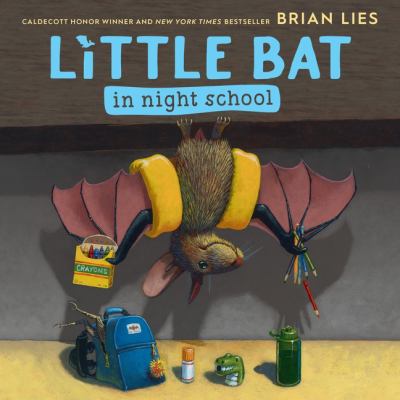
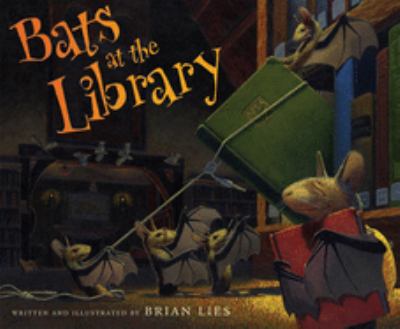
“Ruh-roh-Raggy,” here are some chilling, fall reads selected by our librarians.
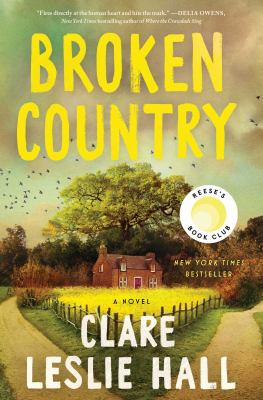
“The farmer is dead. He is dead, and all anyone wants to know is who killed him.”
Beth and her gentle, kind husband Frank are happily married, but their relationship relies on the past staying buried. But when Beth’s brother-in-law shoots a dog going after their sheep, Beth doesn’t realize that the gunshot will alter the course of their lives. For the dog belonged to none other than Gabriel Wolfe, the man Beth loved as a teenager–the man who broke her heart years ago. Gabriel has returned to the village with his young son Leo, a boy who reminds Beth very much of her own son, who died in a tragic accident.
Read More
As Beth is pulled back into Gabriel’s life, tensions around the village rise and dangerous secrets and jealousies from the past resurface, this time with deadly consequences. Beth is forced to make a choice between the woman she once was, and the woman she has become.
A sweeping love story with the pace and twists of a thriller, Broken Country is a novel of simmering passion, impossible choices, and explosive consequences that toggles between the past and present to explore the far-reaching legacy of first love.
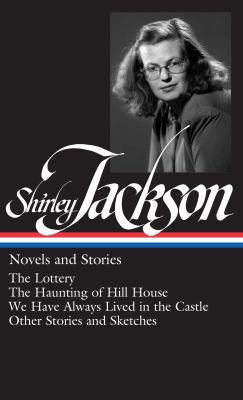
We are featuring “The Lottery” in this month’s Short Story Club! “The world of Shirley Jackson is eerie and unforgettable,” writes A. M. Homes. “It is a place where things are not what they seem; even on a morning that is sunny and clear there is always the threat of darkness looming, of things taking a turn for the worse.” In this Library of America volume Joyce Carol Oates, our leading practitioner of the contemporary Gothic, presents the essential works of Shirley Jackson, the novels and stories that, from the early 1940s through the mid-1960s, wittily remade the genre of psychological horror for an alienated, postwar America.
Read More
She opens with The Lottery (1949), Jackson’s only collection of short fiction, whose disquieting title story-one of the most widely anthologized tales of the 20th century-has entered American folklore. Also among these early works are “The Daemon Lover,” a story Oates praises as “deeper, more mysterious, and more disturbing than ‘The Lottery,’ ” and “Charles,” the hilarious sketch that launched Jackson’s secondary career as a domestic humorist. Here too are Jackson’s masterly short novels: The Haunting of Hill House (1959), the tale of an achingly empathetic young woman chosen by a haunted house to be its new tenant, and We Have Always Lived in the Castle (1962), the unrepentant confessions of Miss Merricat Blackwood, a cunning adolescent who has gone to quite unusual lengths to preserve her ideal of family happiness. Rounding out the volume are 21 other stories and sketches that showcase Jackson in all her many modes, and the essay “Biography of a Story,” Jackson’s acidly funny account of the public reception of “The Lottery,” which provoked more mail from readers of The New Yorker than any contribution before or since.

At its base, Beloved is a ghost story and an incredibly well-told one, but the horrifying secret at its core, and the way Toni Morrison expertly peels away the layers of guilt, desperation, and trauma that define the tale, make this Pulitzer Prize-winner a singular and devastating appearance.